Blended Learning vs Traditional Teaching: What Actually Changes in the Classroom?
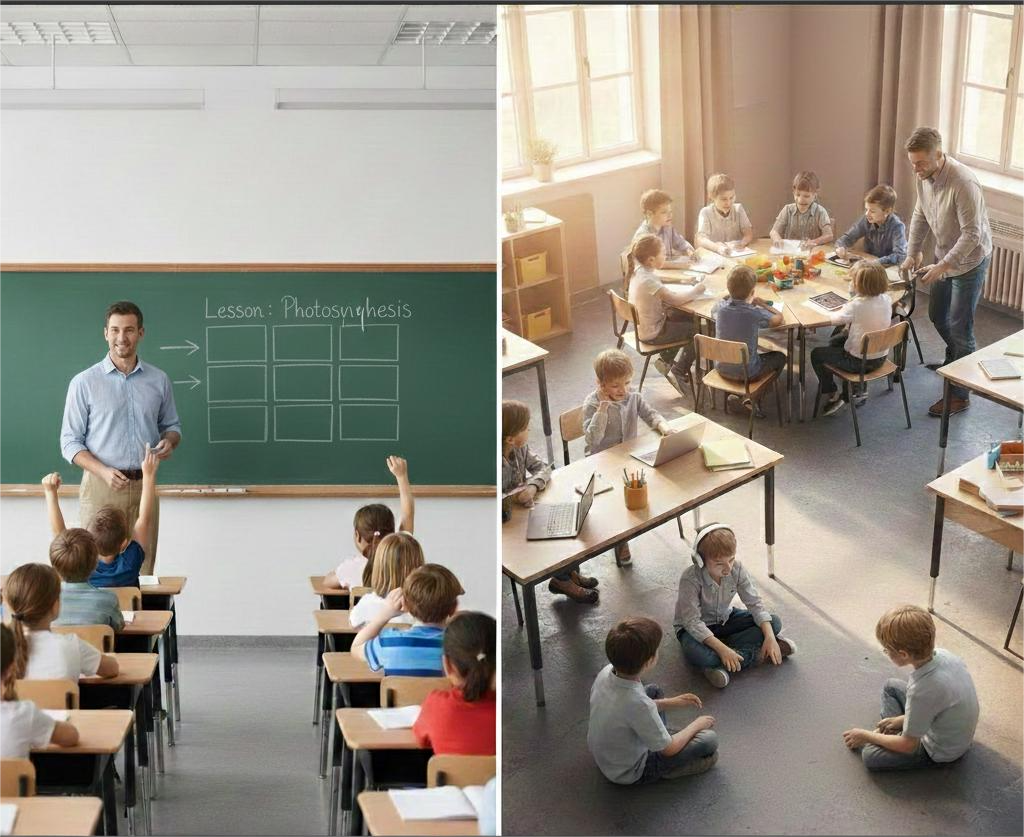
If a classroom shifts from traditional teaching to blended learning, what changes for teachers and students on a normal day? This isn’t about gadgets or expensive setups. It’s about method, flow, and how learning feels inside a room full of children.
To answer that, it helps to look at both styles the way teachers experience them: in the rhythm of a single period, the way time is used, and how students respond.
Traditional Teaching: A Period Most Teachers Know Well
Picture a 40-minute class.
The teacher walks in, writes the topic on the board, explains the concept, and works through examples. Students listen, take notes, and ask doubts at the end. The teacher moves through the chapter at a fixed pace because the syllabus clock is always ticking.
This style has shaped generations. It gives structure and helps teachers keep order in the room. But it also comes with limits. Students learn at different speeds. Some fall behind quietly. Others finish early and lose focus. Most of the teacher’s energy goes into talking to the whole class at once, which leaves little room to adjust to individual needs.
Blended Learning: A Period with a Different Rhythm
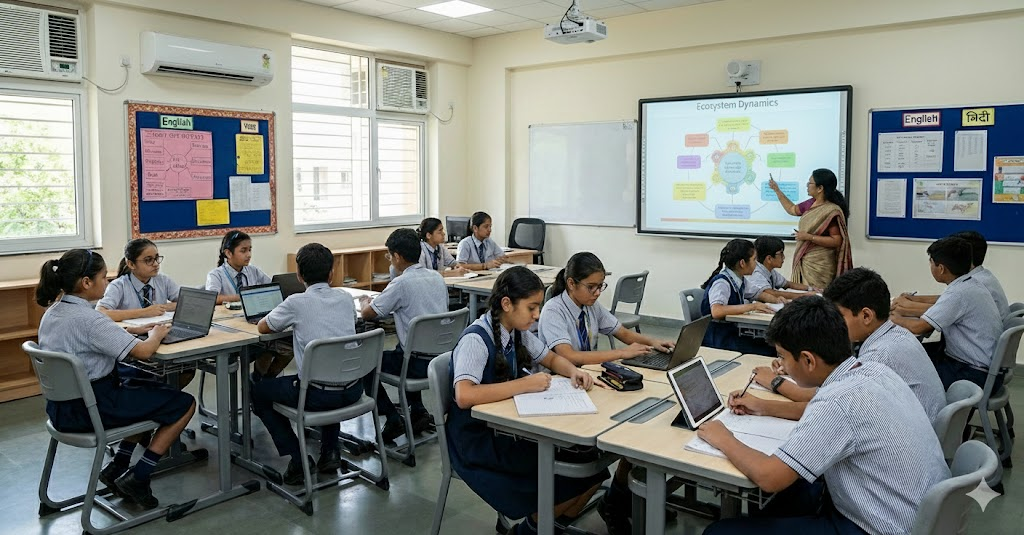
Now picture a different 40-minute class built around blended learning.
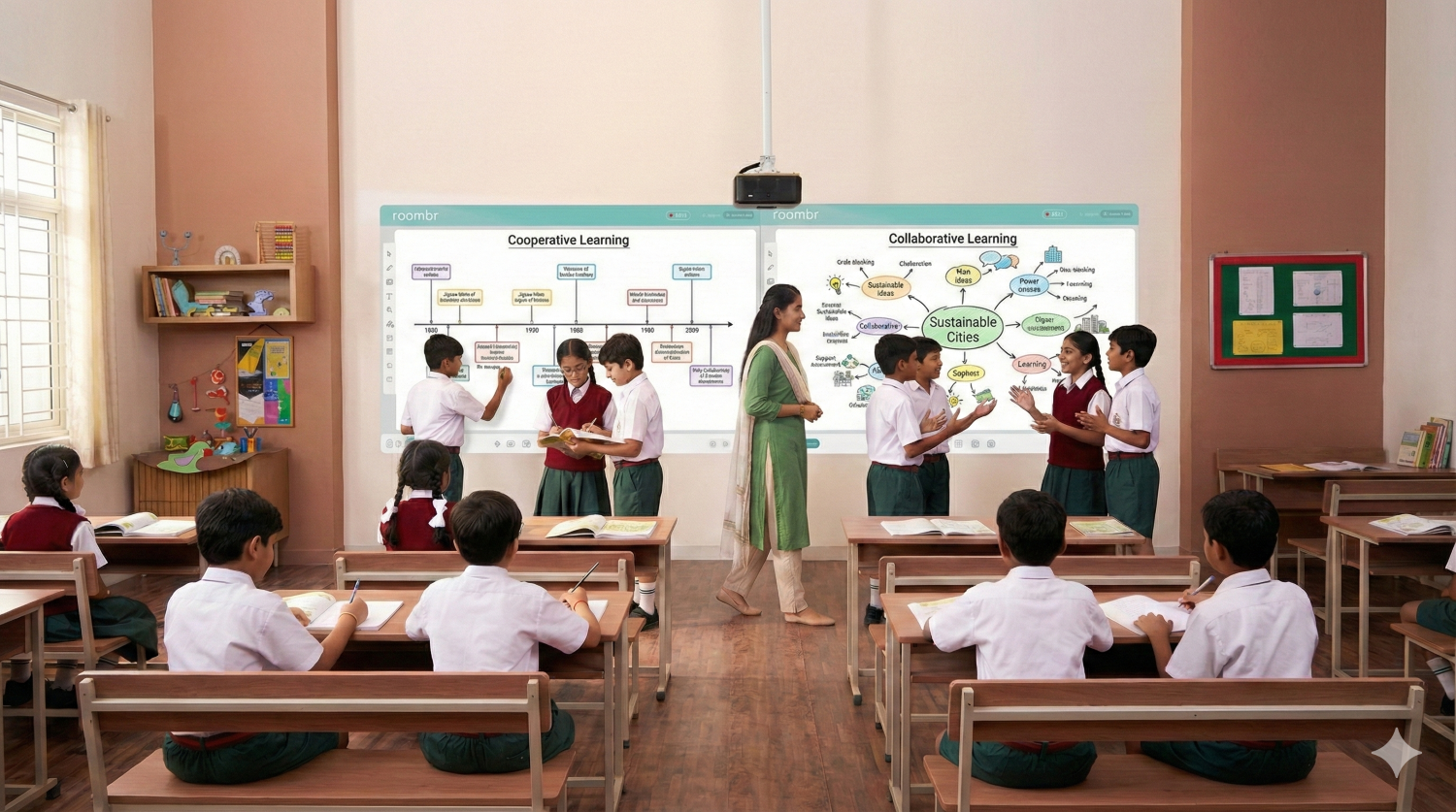
The teacher still explains the concept, but only for a short part of the period. After that, students split into small task zones. One group works directly with the teacher. Another group solves problems. A third group uses short digital tasks to practise what they just learned. The teacher watches their progress on quick checks and moves to help the ones who need it.
Students take on more responsibility. They don’t wait passively for the next step. They learn through a mix of teacher input, self-paced tasks, and short bursts of interactive learning.
This isn’t a tech-heavy model. Even a school with modest resources can follow a rotation or flipped classroom approach. The emphasis is on how time is used, not on fancy screens.
What Changes Inside the Classroom Using Blended Learning
Class Time Breaks into Smaller Blocks
Instead of one long lecture, blended learning spreads the period across shorter segments. A class might run in a 10-15-10-5 minute pattern where each phase has a purpose. This small shift brings a big boost in focus, since students reset their attention with each new task.
Practice Happens During the Class, Not After It
In a traditional setup, most practice becomes homework. In a blended model, students practise right away. The teacher sees how they’re doing before they leave the room. This closes the loop faster and reduces pressure at home.
Doubt-Solving Becomes Active, Not Last-Minute
Instead of waiting for the final five minutes, teachers move between groups and catch problems early. Shy students who may not raise their hand in a full classroom get more chances to speak.
Students Talk and Think More
With tasks built around interaction, students explain ideas, work together, and ask more questions. This shift helps them understand the subject rather than only memorise it.
Feedback Flows Faster
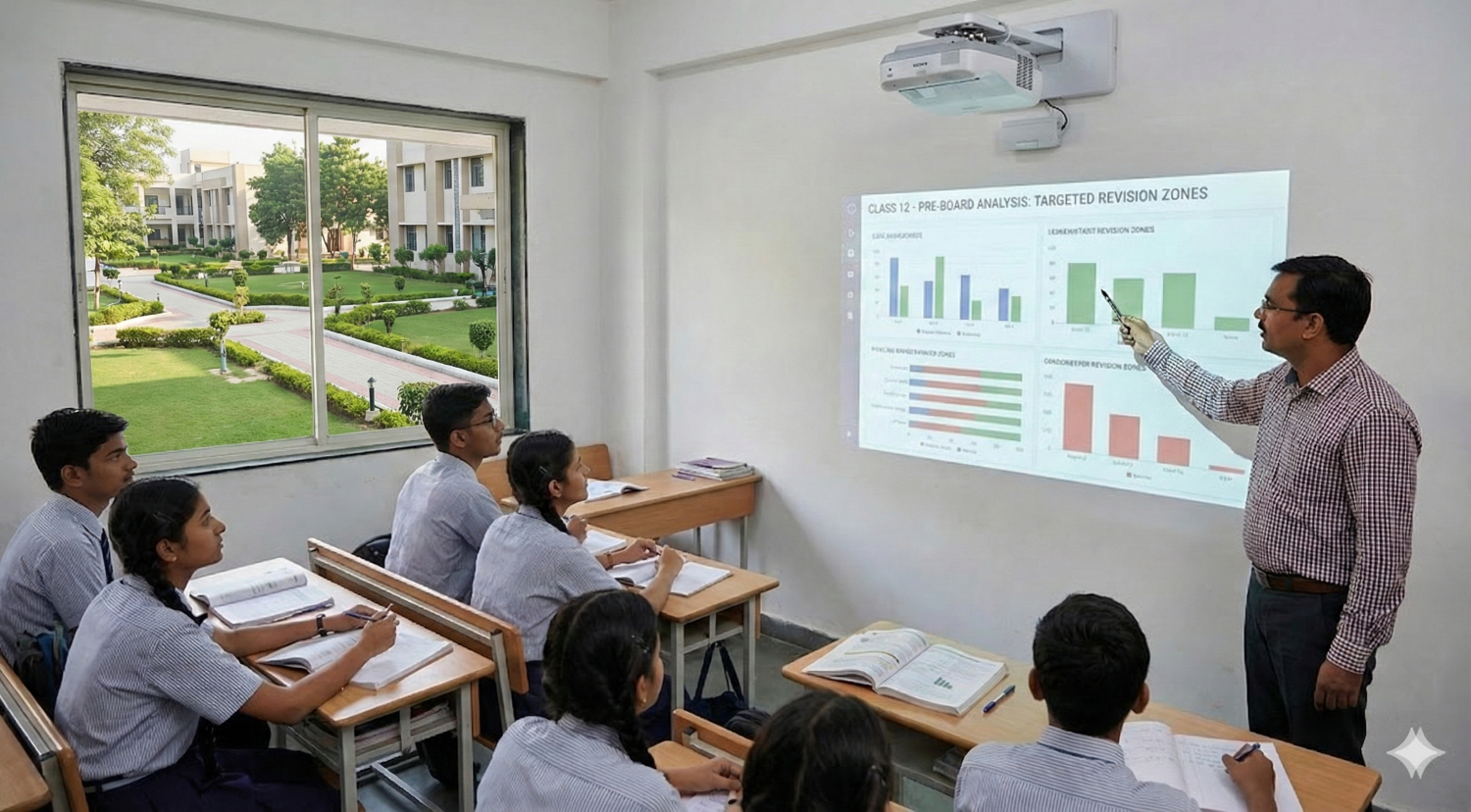
Digital practice tools can show quick results that help teachers spot where the class is stuck. It also helps strong learners stretch their skills without waiting for the whole class.
How the Teaching Role Changes
Teachers don’t lose control of the room. They gain flexibility. Instead of speaking for most of the period, they guide, observe, and support. This style allows them to fine-tune lessons in real time and use effective teaching strategies that match mixed learning speeds.
They spend less time repeating the same explanation and more time giving targeted help. It also frees them from the pressure of being the only voice in the room.
How Students Experience the Change
For students, blended learning feels more active. They spend more time doing and less time only listening. They get a chance to retry tasks, ask questions in smaller groups, and follow a clearer path at their own pace.
Slower learners feel less lost because they get smaller, steady wins inside the classroom. Stronger learners get tasks that stretch them instead of waiting for others to catch up. Overall confidence improves because each child gets a better chance to succeed.
Traditional vs Blended Learning: Key Differences
Where Blended Learning Makes a Strong Difference
Blended learning shines in real situations that teachers face daily:
- A maths class with mixed learning speeds
- English grammar practice where repetition matters
- Science periods that need short bursts of concept, activity, and reflection
- Days when attention levels dip and students need active tasks
- High-enrolment classrooms where personal attention is hard
These are areas where the method brings faster improvement, not because of screens, but because of the shift in structure.
Where Traditional Teaching Still Works Well
There are moments where the familiar method is the right choice. A new chapter often needs a clear, direct explanation. Complex ideas also benefit from a teacher’s full attention at the board. Group discussion, storytelling, and doubt clearing still hold strong value.
Blended learning doesn’t replace these moments. It supports them.
Common Mistakes Schools Make When They Start
Schools sometimes think blended learning means long digital sessions or heavier lesson plans. That leads to student fatigue and teacher burnout. Others expect students to understand self-paced learning from the first week. It rarely works that way.
The most common mistake is trying to change everything at once. Blended learning grows best in small, steady steps.
A Simple Starter Model for a 40-Minute Period
Here’s an easy way to try it without pressure:
- 5 minutes: recap
- 12 minutes: teacher-led explanation
- 10 minutes: digital or paper-based practice
- 8 minutes: small group problem-solving
- 5 minutes: final wrap-up using quick feedback
Even this light shift brings better clarity and more engagement.
Closing Thoughts
The real change between traditional teaching and blended learning isn’t about fancy tools. It’s about how a classroom moves, how students participate, and how teachers use their time. Blended learning makes space for richer practice, quicker feedback, and a more personal touch while keeping the teacher at the centre.
Schools don’t need to overhaul everything. A gentle start is enough to feel the difference.
Ready to try small blended learning steps in your school? Start with the right support from the team at Roombr.

Foziya Abuwala
Share
Step Into the future of
Education with Roombr