A Complete Guide to the 7 IB CAS Learning Outcomes
The International Baccalaureate (IB) Diploma Programme is widely recognized for producing well-rounded and globally-minded students. A major reason for this success is the mandatory Creativity, Activity, and Service (CAS) requirement. Unlike traditional subjects that rely on strict written exams, this core component asks students to step outside their normal routine and engage in self-directed projects. To successfully complete the rigorous 18-month program, every student must provide clear evidence that they have met each specific learning outcome established by the IB curriculum. For educators and CAS coordinators, tracking these goals can feel overwhelming without a clear roadmap.
What Makes CAS Vital for International Schools
The CAS framework deliberately shifts the focus away from traditional textbook academics and pushes young adults to grow as complete individuals. School leaders and educators in India and the Middle East increasingly recognize the vast value of this hands-on educational approach.
Mastering each learning outcome prepares students for the complex social and organizational demands of university life and the modern workforce. The framework ensures that raw academic brilliance is matched by emotional intelligence and practical life skills. It actively asks students to step into the real world, solve actual problems, and make a tangible difference in their local communities.
The 7 IB CAS Requirements Explained for Every Learning Outcome
The CAS program completely abandons standard exams for grading. Instead, educators evaluate a student's progress through detailed personal reflections and a comprehensive digital or physical portfolio. Over the course of 18 months, students must provide clear, documented evidence that they have met every required learning outcome at least once.
Here is a detailed, practical breakdown of all seven official IB goals and how students can actively achieve them.
1. Identify Own Strengths and Develop Areas for Growth
Before taking any meaningful action, students must honestly assess their current abilities. This learning outcome requires them to understand what they excel at and where they need focused improvement. A student might realize they possess excellent public speaking skills but struggle heavily with time management and organization.
By identifying these personal traits early in the program, they can set clear and measurable goals for themselves. Educators can facilitate this by using self-evaluation surveys at the start of the semester. This sets a strong baseline for growth and makes tracking future progress much easier.
2. Demonstrate That Challenges Have Been Undertaken
Real personal growth only happens when students step outside of their established comfort zones. To meet this specific learning outcome, individuals must intentionally take on tasks that push their physical or mental boundaries. This could involve learning a completely new language, taking up a difficult musical instrument, or joining a competitive debate team with zero prior experience.
The ultimate goal here is never immediate perfection. The primary objective is to show a willingness to tackle unfamiliar and difficult situations. Students learn how to manage frustration and develop lasting resilience along the way.
3. Showcase How to Initiate and Plan a CAS Experience
Taking a raw idea from a simple thought to a fully executed project is a critical life skill. This important learning outcome tracks the entire student journey from the initial brainstorming phase to the final execution and presentation.
Students must show documented proof of how they organized their resources and structured their initiative. They need to create timelines and contact relevant stakeholders. Teachers can support this by introducing active project management frameworks into their advisory sessions. This ensures students do not feel overwhelmed when planning large-scale service events.
4. Show Commitment and Perseverance in CAS Experiences
Short bursts of enthusiastic effort do not count toward this overarching goal. A major learning outcome for the IB curriculum involves proving true long-term dedication. Students must stay actively involved in their chosen projects over an extended period.
When unexpected challenges arise or initial motivation drops, they must find a way to push through. Educators track this vital perseverance by reviewing regular student reflection logs throughout the academic year. A student who sticks with a weekly peer-tutoring program for a full year demonstrates this perfectly.
5. Recognize the Benefits of Working Collaboratively
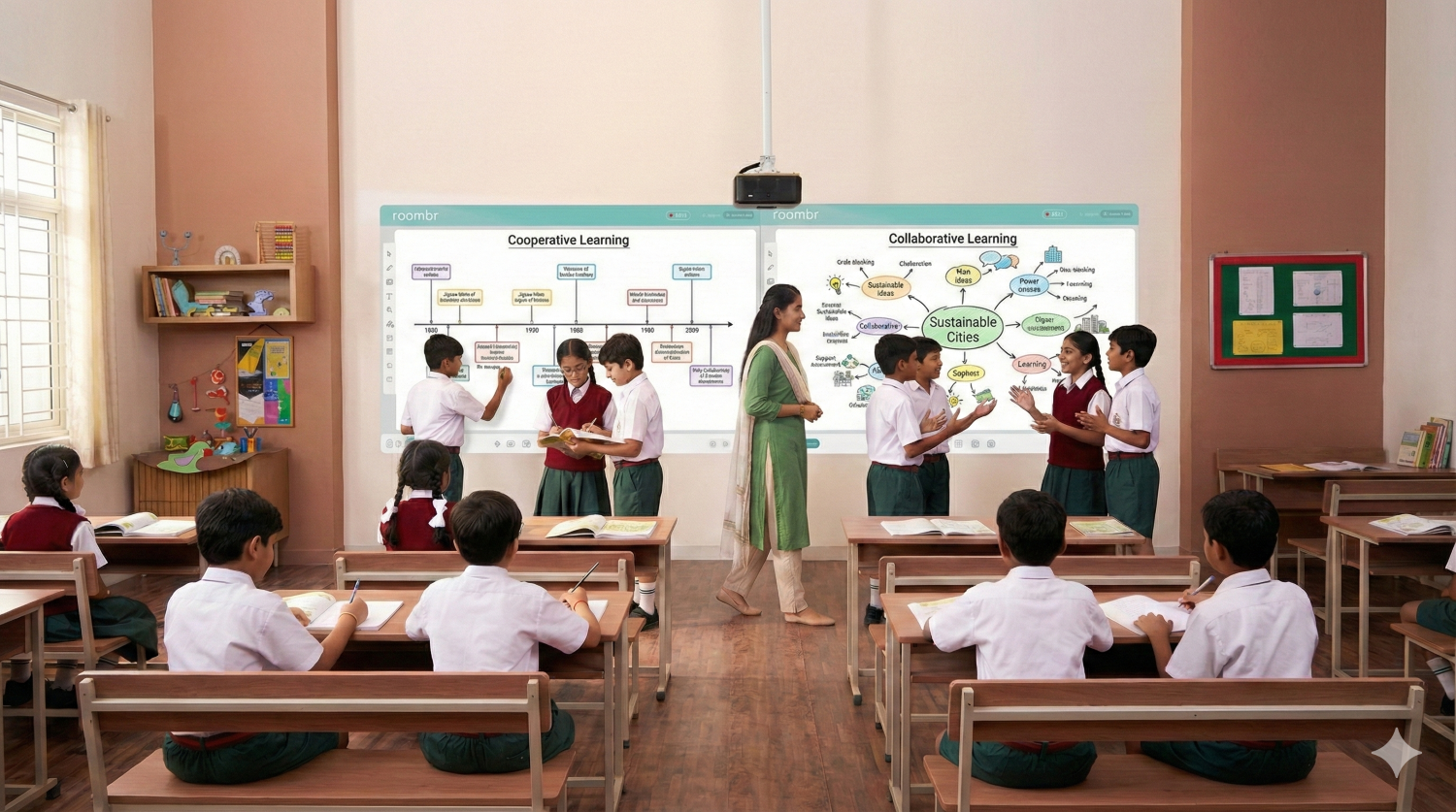
Teamwork is essential in today's highly connected world. This learning outcome focuses entirely on how well students cooperate with peers to achieve a shared vision. Whether they are organizing a community charity run or designing a massive school mural, effective daily communication is key.
Embracing modern collaborative learning strategies allows students to navigate conflicting opinions smoothly. They learn to delegate tasks based on individual strengths and solve complex group problems together. This prepares them directly for university group projects and future corporate environments.
6. Demonstrate Engagement with Issues of Global Significance
The IB program exists to build true global citizens who care about the world. To fulfill this profound learning outcome, students must connect their immediate local actions to broader worldwide challenges.
For example, a student might launch a campus recycling drive to address the global climate crisis. Another group might partner with a local NGO to fight food insecurity in their city. By thinking globally and acting locally, students develop a deep awareness of the environmental and social issues affecting the entire planet.
7. Evaluate the Moral Impact of Personal Decisions
Every single decision carries weight and real-world consequences. This final learning outcome demands that students critically evaluate the moral impact of their actions.
If a student group organizes a large campus fundraiser, it must ensure the funds are sourced transparently and distributed ethically. If they volunteer at an animal shelter, they must respect the safety protocols and the dignity of the cause. Teaching students to apply strict ethical reasoning to their projects creates a lasting foundation for responsible and honest adult life.
Overcoming Tracking Challenges for Any Learning Outcome
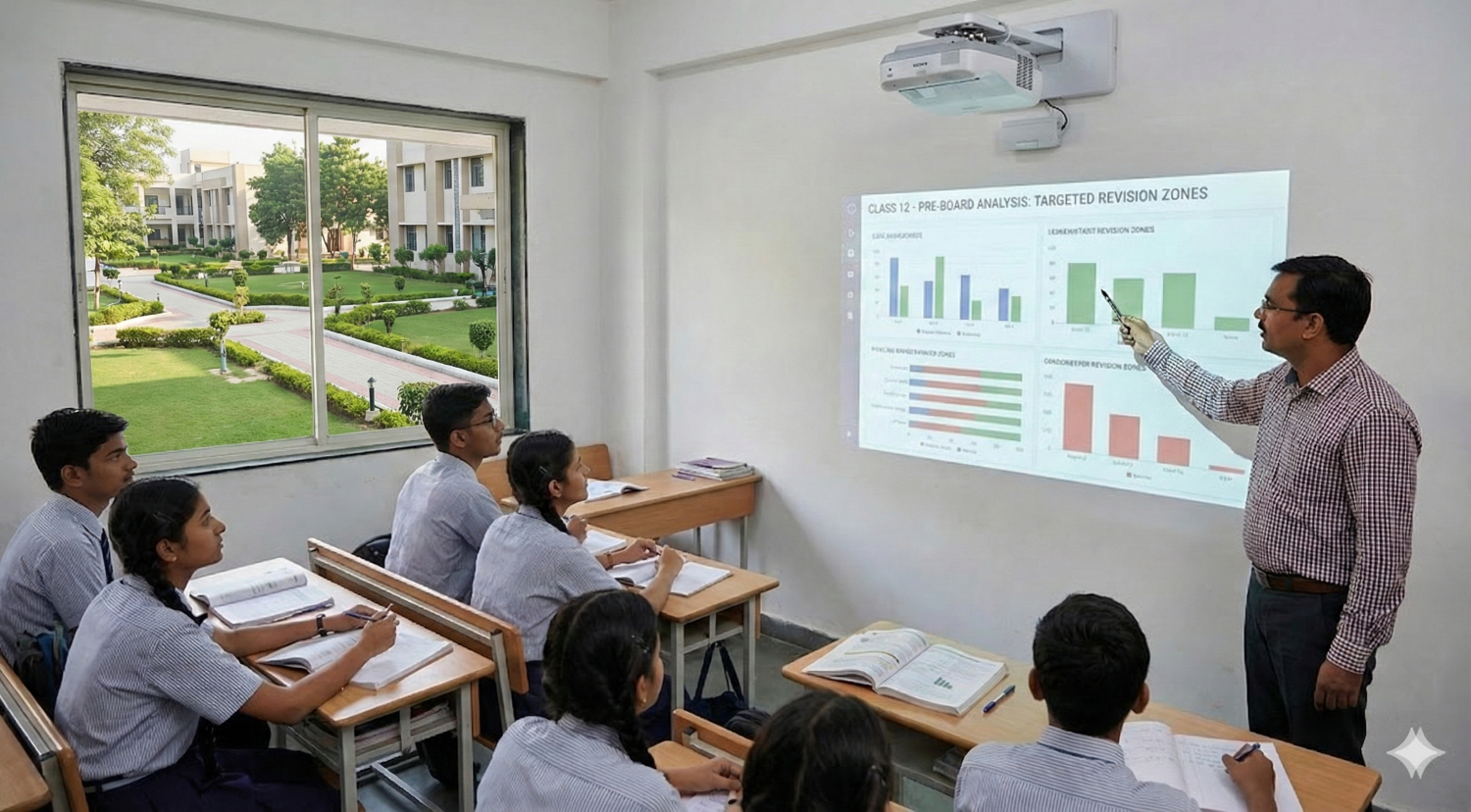
Managing written reflections, photo evidence, and project logs for an entire student cohort over 18 months can be an administrative challenge. CAS coordinators frequently struggle to keep track of which student has successfully met which learning outcome. Paper logs get lost easily, and manual spreadsheets quickly become disorganized.
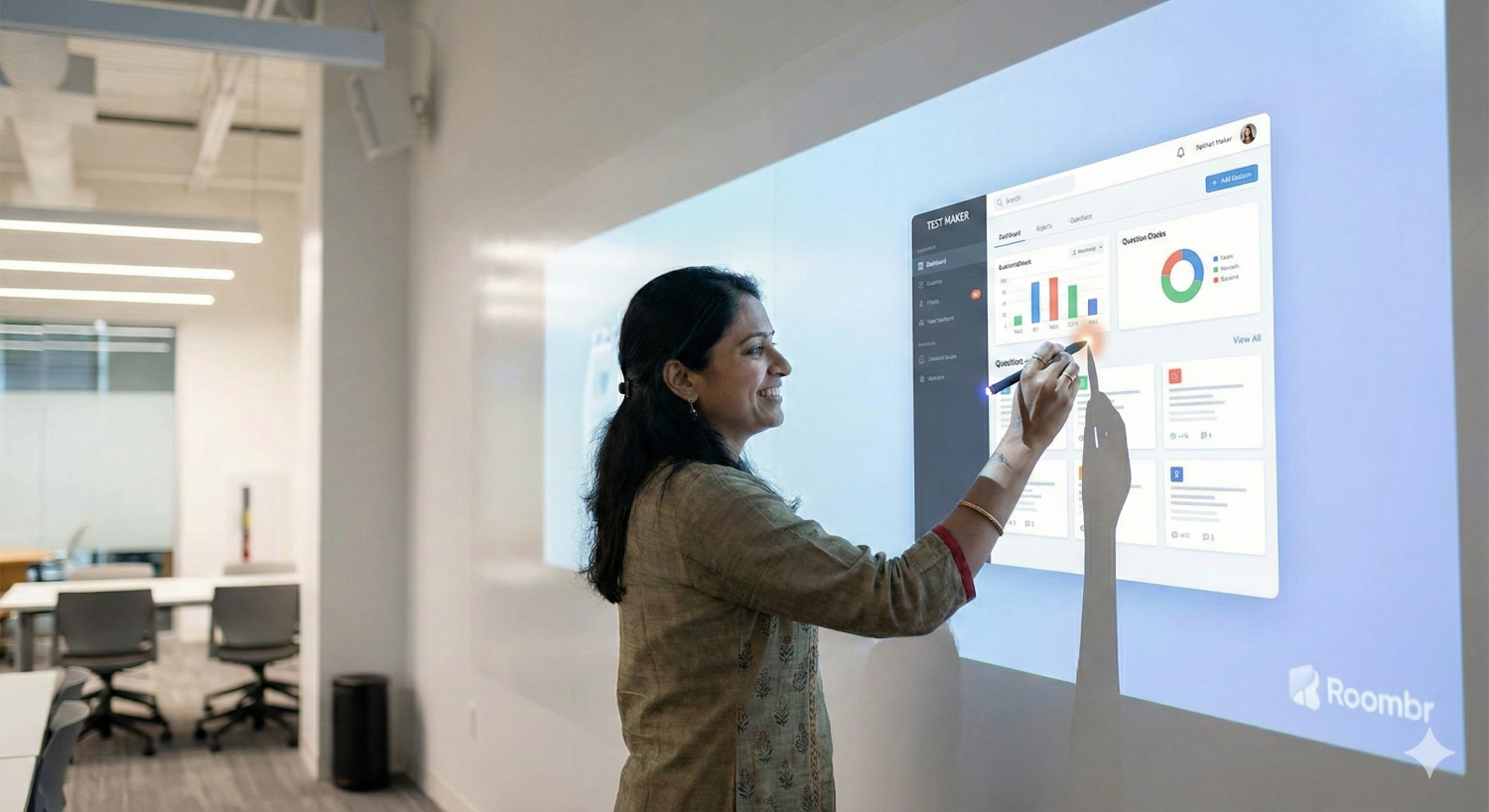
This is where modern educational infrastructure makes a difference for schools. Transitioning to a fully integrated digital classroom environment simplifies the entire review and approval process. When schools utilize centralized digital platforms, students can easily upload their video evidence and reflection journals from any device. Coordinators can then review these comprehensive portfolios in real time and leave immediate, constructive feedback. This keeps students highly engaged and prevents the stressful last-minute scrambling that often happens right before graduation.
Enhance the IB Experience with a Smart Classroom
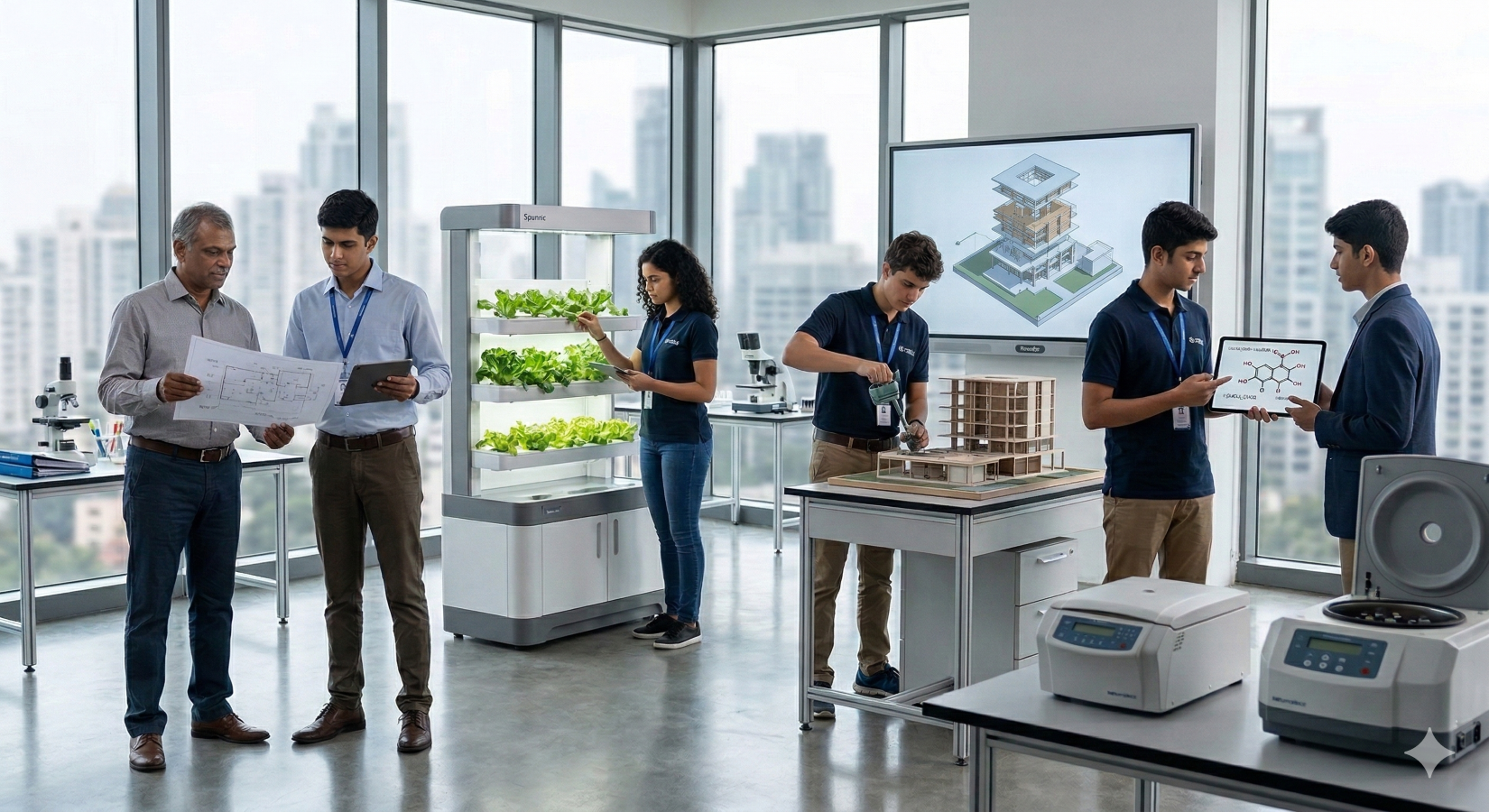
The physical learning environment plays a surprisingly huge role in how students approach their mandatory CAS requirements. A modern smart classroom provides the absolute perfect ecosystem for deep brainstorming and seamless project execution.
When students have open access to interactive screens and connected audio-visual technology, planning a complex service project becomes much easier. They can map out their ideas visually on a digital board and present their progress to their peers with ease. They can also video conference with global NGOs right from their desks. By investing in these intelligent, interactive spaces, school leaders give students the exact tools they need to achieve every learning outcome naturally and efficiently. Roombr specializes in delivering this exact type of holistic digital infrastructure to empower progressive schools.
Build a Future-Ready Foundation
The ultimate goal of the rigorous CAS framework is to shape well-rounded, capable individuals. By focusing heavily on measuring each specific learning outcome, educators provide students with much more than just a high school diploma.
They equip these young adults with raw resilience, deep empathy, and highly practical problem-solving skills. Giving students the right administrative guidance and the right physical technology ensures they are ready to lead and succeed in whatever path they choose to take next.
Discover how the Roombr makes tracking every learning outcome effortless while empowering your students to achieve more. Explore our holistic digital classroom solutions today.

Foziya Abuwala
Share
Step Into the future of
Education with Roombr